
Reusable vs. Disposable Cheek Retractors: The Complete Guide
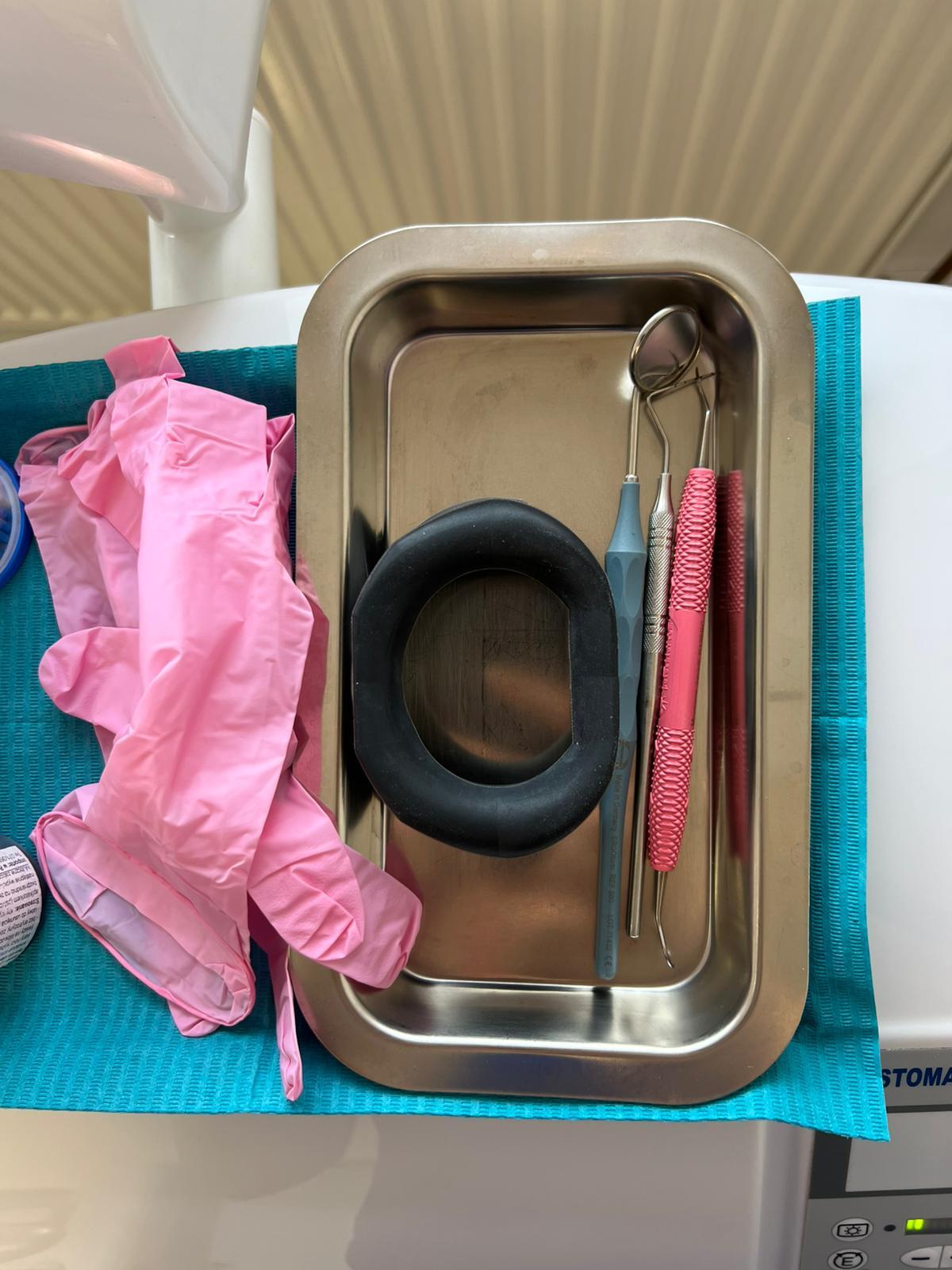
Foam cheek retractors are cheap to buy and expensive to own. Every procedure you open a new one, throw it away and pay again — while a single reusable silicone retractor does the same job again and again, visit after visit. This guide compares disposable and reusable retractors across cost, comfort, hygiene, sustainability and clinical results so you can decide what belongs in your practice.
1 The real cost: cheap per piece, expensive per year
A disposable foam retractor costs little on its own, but with daily use those small amounts add up to a substantial yearly figure. One VisionButler costs €120 and, reused across many procedures, replaces a large number of disposables, bringing the per-use cost down to a fraction. We walk through an illustrative worked example, including reinvestment and an approximate payback, in our cost comparison article.
2 Material and comfort: foam vs. silicone
Foam absorbs saliva, can shed particles and feels dry against the lips. VisionButler is moulded from soft, flexible silicone that stays comfortable through longer appointments and lets the patient partially close their mouth to rest. Available in three sizes (S, M, L), it fits most patients without forcing a one-size compromise.
3 Hygiene and sterilization
Disposables avoid reprocessing but create a constant stream of infectious waste. VisionButler is fully autoclavable and runs in your standard sterilization cycle — no special handling, following the instructions for use. As a medical device it complies with the applicable requirements for dental instruments (see the product documentation) and is designed for repeated reprocessing.
4 Sustainability: less disposable waste
Replacing a large number of single-use pieces with one reusable retractor substantially cuts retractor waste weight. For practices building an eco-friendly profile it is a visible, measurable step — see our guide to sustainable dentistry.
5 A bonus disposables can't match: a built-in photo contraster
VisionButler's matte black surface doubles as a photo contraster, removing background reflections for clean intraoral images — something foam retractors simply can't do. More on this in our dental photography article.
Conclusion
For most practices, reusable wins on every axis that matters: lower yearly cost, better comfort, the same (or better) hygiene, far less waste and a free photography upgrade. Disposables still have a place for very narrow mouths or specific surgical cases — but as the default, a reusable silicone retractor is the smarter choice. Order VisionButler and start saving from the first week.