
How Much Plastic Does a Dental Practice Waste? (And How to Cut It)
You cannot reduce what you do not measure. Before you start "greening" the practice, it pays to find out where the plastic actually goes. A simple one-week audit gives you the numbers – and they show where to start.
1 The big offenders
The largest volume of single-use plastic is usually: barriers and covers, cups, suction tips, retractors, instrument packaging and disposable PPE. Focus on the items with the most weight and volume, not the most visible ones.
2 Run a one-week audit
The average practice finds tens of kilograms of plastic a year this way – concrete figures are in our <a href="/articles/sustainable-dentistry" class="text-primary underline">sustainable dentistry article</a>.
3 Where the quick wins are
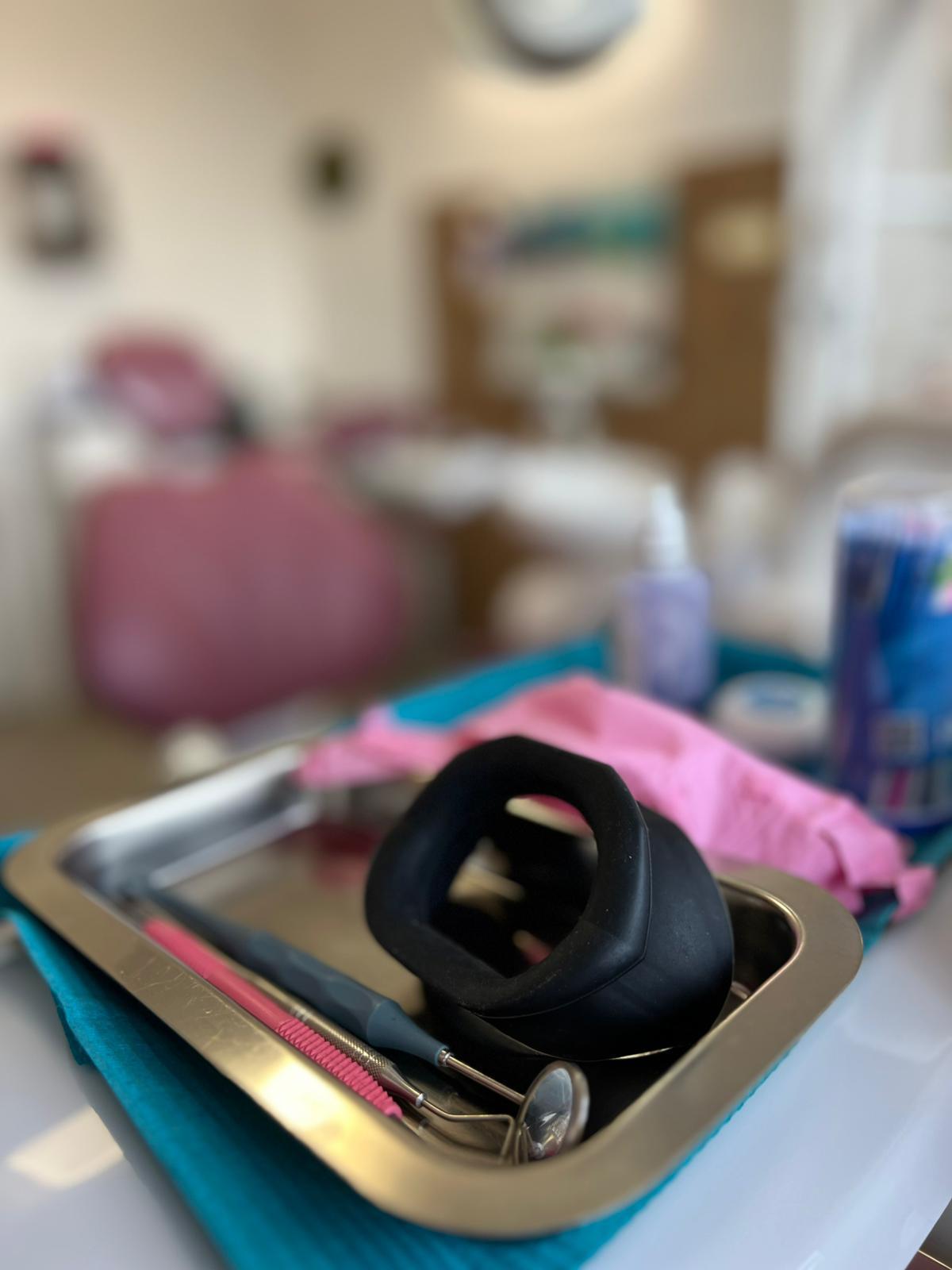
Look for items that have a reusable equivalent. Retractors are an ideal first step – one silicone retractor replaces a large number of disposables. Our retractor guide and cost comparison cover the why and the numbers.
4 Reduce → reuse → recycle (in that order)
Recycling is the last step. Prevention saves the most: fewer disposables, larger packs with less packaging, and switching to reusables where it makes sense.
5 Measure and communicate
After making changes, repeat the audit and measure the drop. Share the result with the team and patients – the framework is in our sustainable practice guide.
Conclusion
A waste audit is cheap, fast and often surprising – and it usually shows that the biggest, easiest saving sits with disposable retractors. Order VisionButler and start measuring the drop this month.